
NXT Road
From old ZOAB to high-quality building material
The Netherlands faces a major challenge: making its infrastructure more sustainable without compromising on quality. NXT Road, a subsidiary of NXT Building, has therefore specialized in recycling ZOAB (Highly Open Asphalt Concrete).
Instead of sending it to a landfill or incinerating it, NXT Road ensures that old ZOAB pavements are processed in a fully circular manner into high-quality materials for new asphalt and concrete products.
What is NXT Road?
NXT Road specializes in recycling ZOAB (Highly Open Asphalt Concrete). While traditional asphalt waste is often disposed of or reused for low-value applications, NXT Road transforms these materials into high-quality circular raw materials.
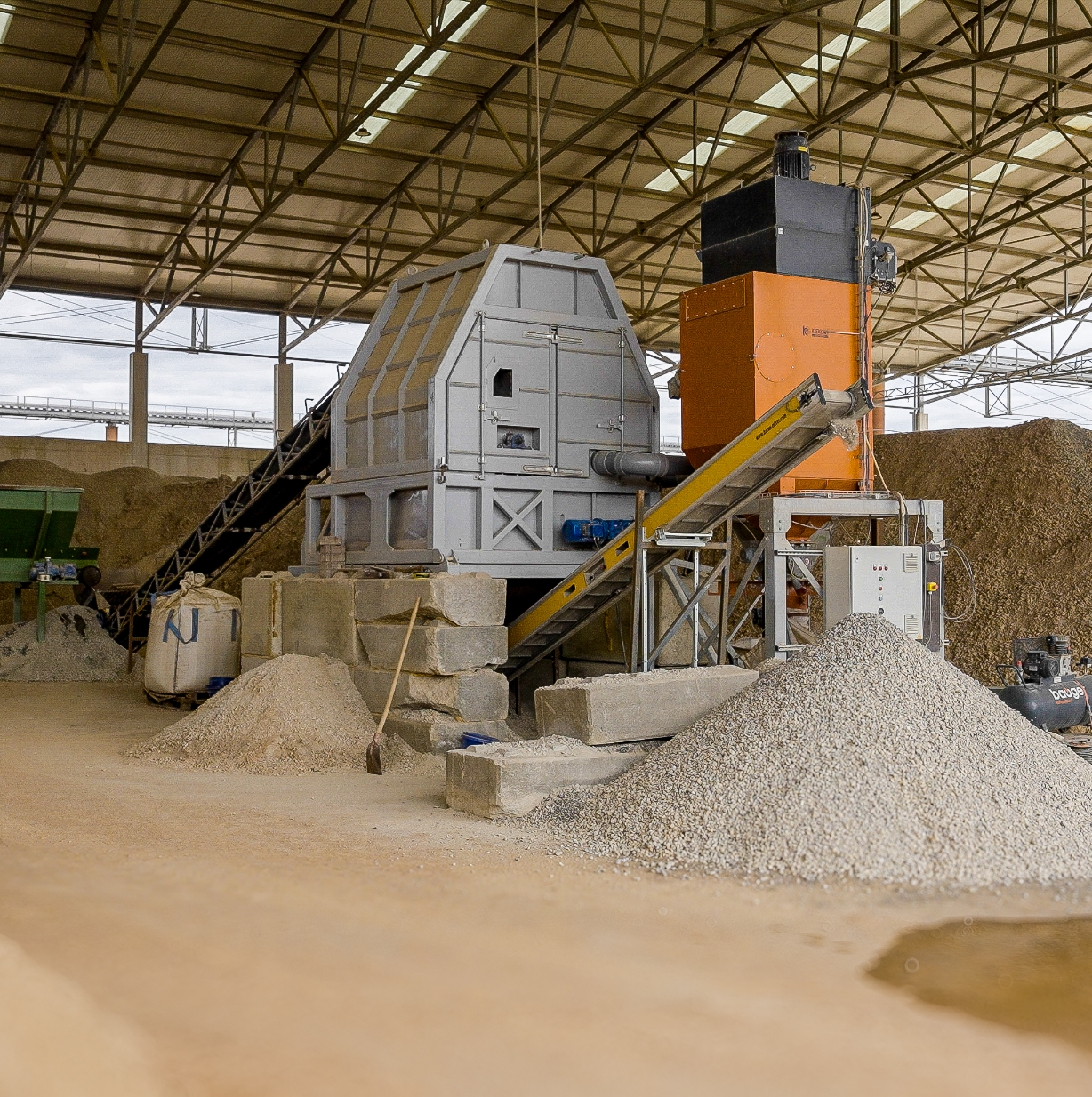
The NXT Separator is used to carefully separate the various components from the old asphalt. This allows both the crushed stone and the recovered bitumen-containing sand to be reused for new applications.
The result: a huge contribution to the circular economy, without compromising on quality.
NXT Road
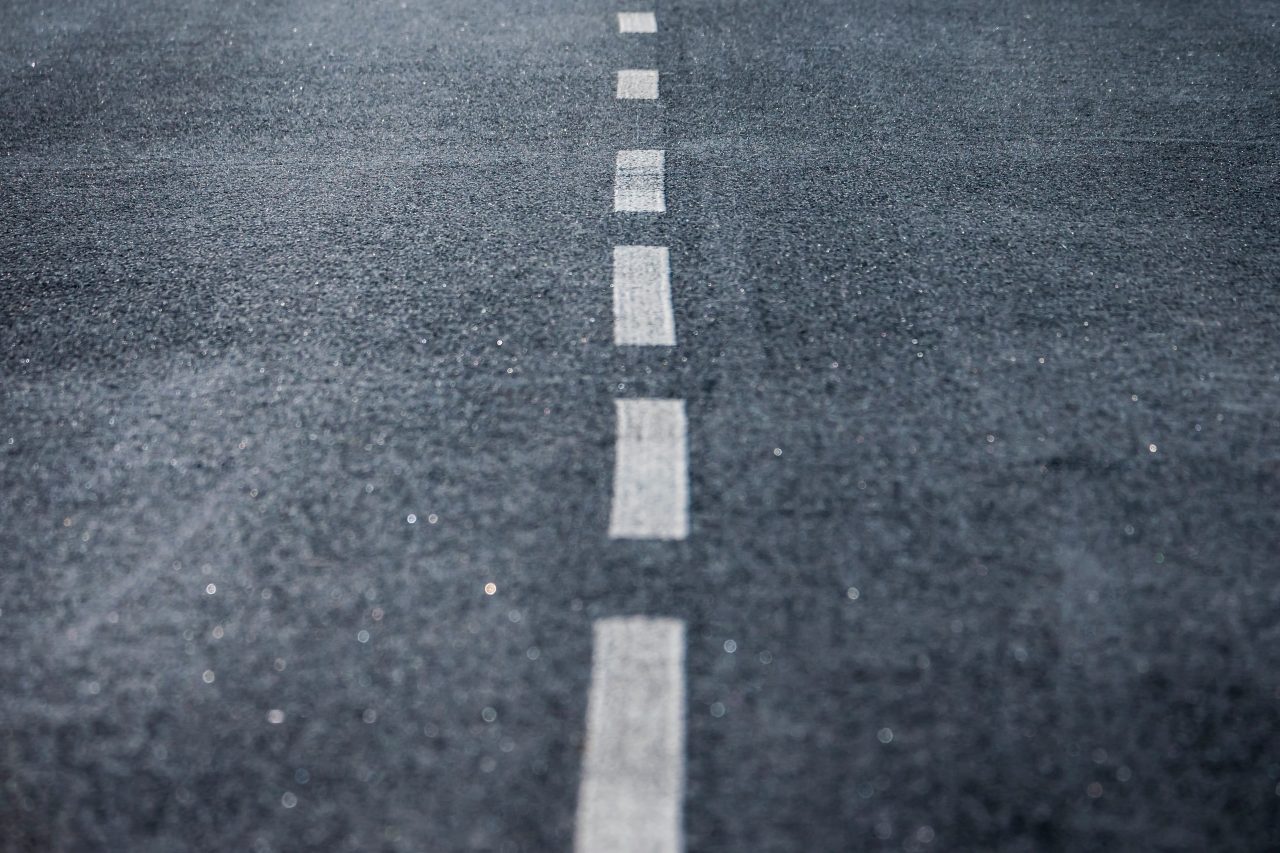
NXT Road gives old ZOAB a new purpose. Using the NXT Separator, the asphalt is separated into high-quality raw materials for new asphalt and concrete products.
How is it made?
The process of converting old ZOAB pavements into usable material follows a standard procedure:
1. When a road is due for replacement, the contractor removes the existing ZOAB by milling it with a milling machine.
2. Upon arrival at NXT Road, the material is inspected, separated, and classified.
3. Our NXT Separator ensures that all asphalt granulate is processed into different fractions, removing other contaminants such as sand, clay, and stones.
4. The bituminous sand is converted into a valuable raw material for circular concrete by our partner, Van de Haterd Zand- en Cementhandel.
5. The asphalt granulate and bituminous sand are processed into recycled asphalt using a hot, semi-hot, or cold method.
6. The new asphalt mix is tested for strength, adhesion, durability, and permeability through a quality control process.
7. The recycled raw materials are used in the construction of new roads
Benefits of NXT Road
The benefits of NXT Road at a glance:
- High-quality raw materials
- Fewer primary raw materials
- Lower CO2 emissions
- Greater circularity
- Lower long-term transportation and production costs
- No more expensive than “regular” materials, but more sustainable
Processing
The recycled asphalt granulate and bituminous sand are processed into asphalt using three methods:
- Hot recycling: The asphalt granulate is heated and mixed with new bitumen, fillers, and crushed stone. Modern plants can process 80% to 100% recycled asphalt.
- Cold recycling: In this process, the asphalt granulate is not heated but is mixed with binders such as bitumen emulsion or cement. This process reduces energy consumption and is often used for foundation piles or roads with lower traffic loads.
- Semi-hot recycling: In this process, the granules are heated to a lower temperature (80 to 140 degrees). This saves energy while still producing high-quality asphalt.
Applications
Recycled asphalt is used for the construction of new roads, such as in surface courses, base courses, and subgrades.
Former ZOAB, New Purpose
Would you like to have old ZOAB pavements recycled into high-quality materials? NXT Road carefully separates the material into reusable raw materials for new asphalt and concrete products. This way, we can work together to make the transition to a circular infrastructure without compromising on quality. Contact us to discuss the options for your project.